Licensed, Bonded & Insured • Arizona ROC #357314
Mon–Fri 8 AM–4 PM • Weekends by appointment
Leak Detection & Pipe Repair
Find the Source Before Choosing the Repair
Oasis Plumbing Solutions investigates visible and suspected plumbing leaks, evaluates accessible piping and pressure conditions, and provides selected pipe repairs and replacement solutions throughout the Tucson area.
Leak and Pipe Capability
Services Matched to the Location and Evidence
“Leak detection” can describe very different situations. Water may be visible at a fixture, hidden inside a wall, below a slab, underground, entering from another building system, or appearing far from its actual source. The investigation should follow the evidence available at the property.
Visible Plumbing Leaks
Repair and replacement for accessible leaking plumbing components when the source can be identified.
- Faucets and fixture connections
- Stops, valves, and supplies
- Accessible water piping
- Water-heater connections
Concealed Leak Investigation
Systematic evaluation of symptoms, accessible conditions, meter activity, pressure, and likely plumbing sources.
- Wall and ceiling symptoms
- Suspected under-slab leaks
- Unexplained water use
- Isolation by accessible systems
Underground Water Lines
Evaluation and selected repair or replacement of leaking water services and buried distribution piping.
- Meter-to-building services
- Yard and site water lines
- Excavation-related repairs
- Route replacement options
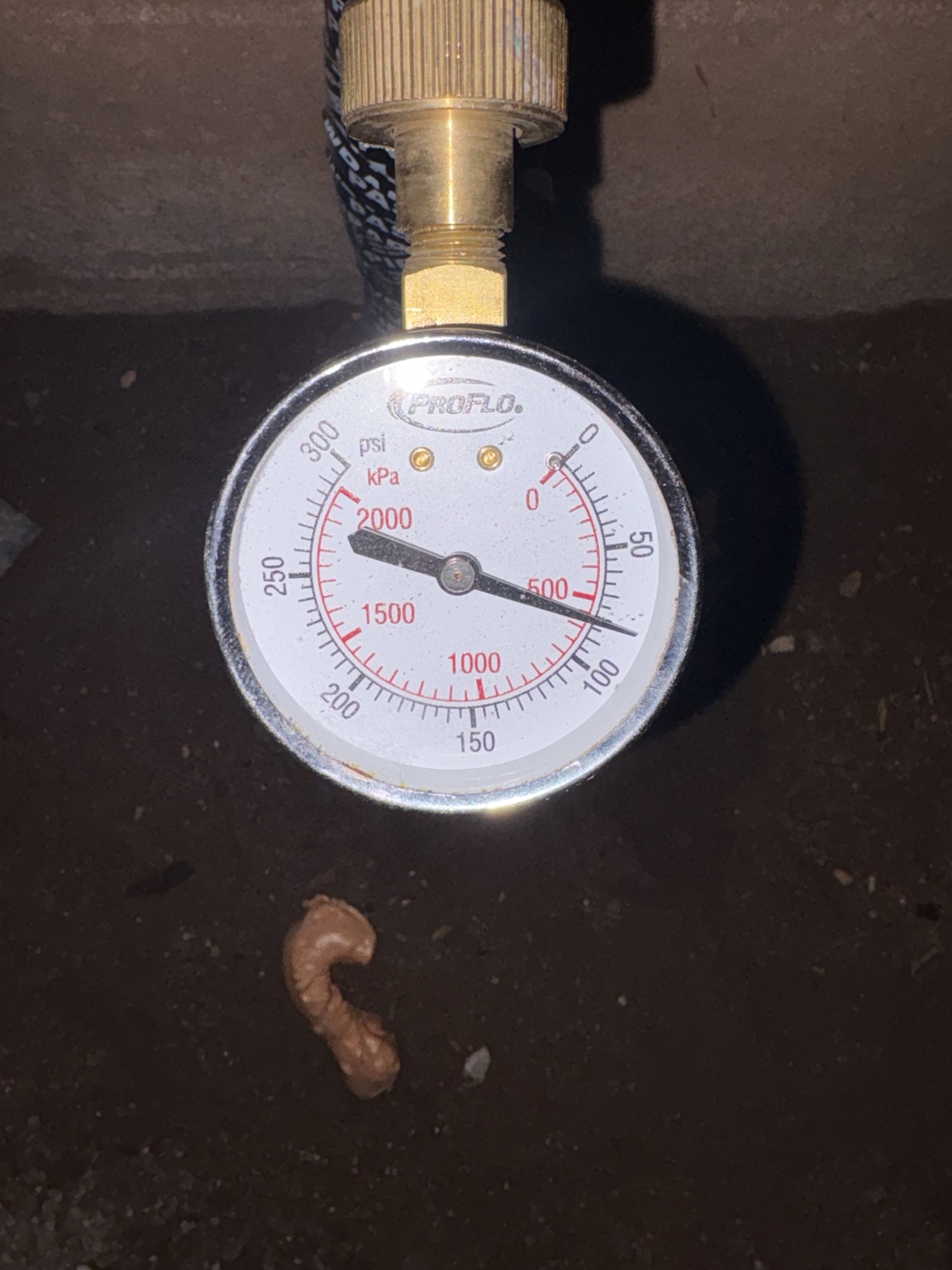
Pressure Testing & PRVs
Review of excessive, low, or inconsistent pressure and accessible pressure-control components.
- Static pressure checks
- Pressure-reducing valves
- Main shutoffs
- Pressure-related failure patterns
Pipe Repairs
Focused repair of accessible damaged sections using materials appropriate to the existing system and application.
- Copper and PEX water piping
- PVC and approved exterior piping
- Transitions and fittings
- Valve and connection repairs
Repiping & Replacement
Broader replacement when age, material, condition, access, or repeated failures make isolated repairs less practical.
- Whole-home repipes
- Main water services
- Problem sections or zones
- New fixture stub-outs
Possible Leak Indicators
Clues Worth Investigating
Any one symptom can have multiple causes. Patterns, timing, meter activity, weather, equipment operation, and nearby fixtures help narrow the possibilities.
Unexpected Water Use
A meter that moves when known fixtures and equipment are off may indicate unaccounted-for flow, but isolation is still necessary.
Stains or Soft Materials
Discoloration, bubbling paint, damaged drywall, soft flooring, or cabinet swelling can indicate moisture from plumbing or another source.
Warm or Damp Flooring
Localized warmth or moisture may involve hot-water piping, drainage, building envelope, or other site conditions.
Low or Changing Pressure
Pressure symptoms can relate to leaks, restrictions, valves, regulators, supply conditions, or simultaneous demand.
Wet Soil or Unusual Growth
Persistent dampness, erosion, settlement, or greener vegetation may point to buried water, sewer, irrigation, or drainage issues.
Repeated Pipe Failures
Multiple leaks can indicate material deterioration, pressure, installation issues, corrosion, water quality, or system age.
Diagnostic Limitations
No Single Tool Identifies Every Concealed Leak
Leak investigation may combine several observations and tests. Even specialized equipment has limits, and access openings or additional testing may be required to confirm the source before repair.
Visual Inspection
Looks for accessible water, corrosion, damaged materials, active dripping, fixture conditions, and likely migration paths.
Meter & Isolation Checks
Helps determine whether water is flowing and which accessible branch, building, or equipment may be involved.
Pressure Testing
Provides information about supply pressure and system behavior but does not automatically identify an exact hidden location.
Acoustic or Electronic Tools
May help narrow suspected pressurized leaks when conditions, materials, depth, access, and background noise allow.
Thermal or Moisture Evidence
Can show temperature or moisture patterns, but those patterns require interpretation and may have non-plumbing causes.
Exploratory Access
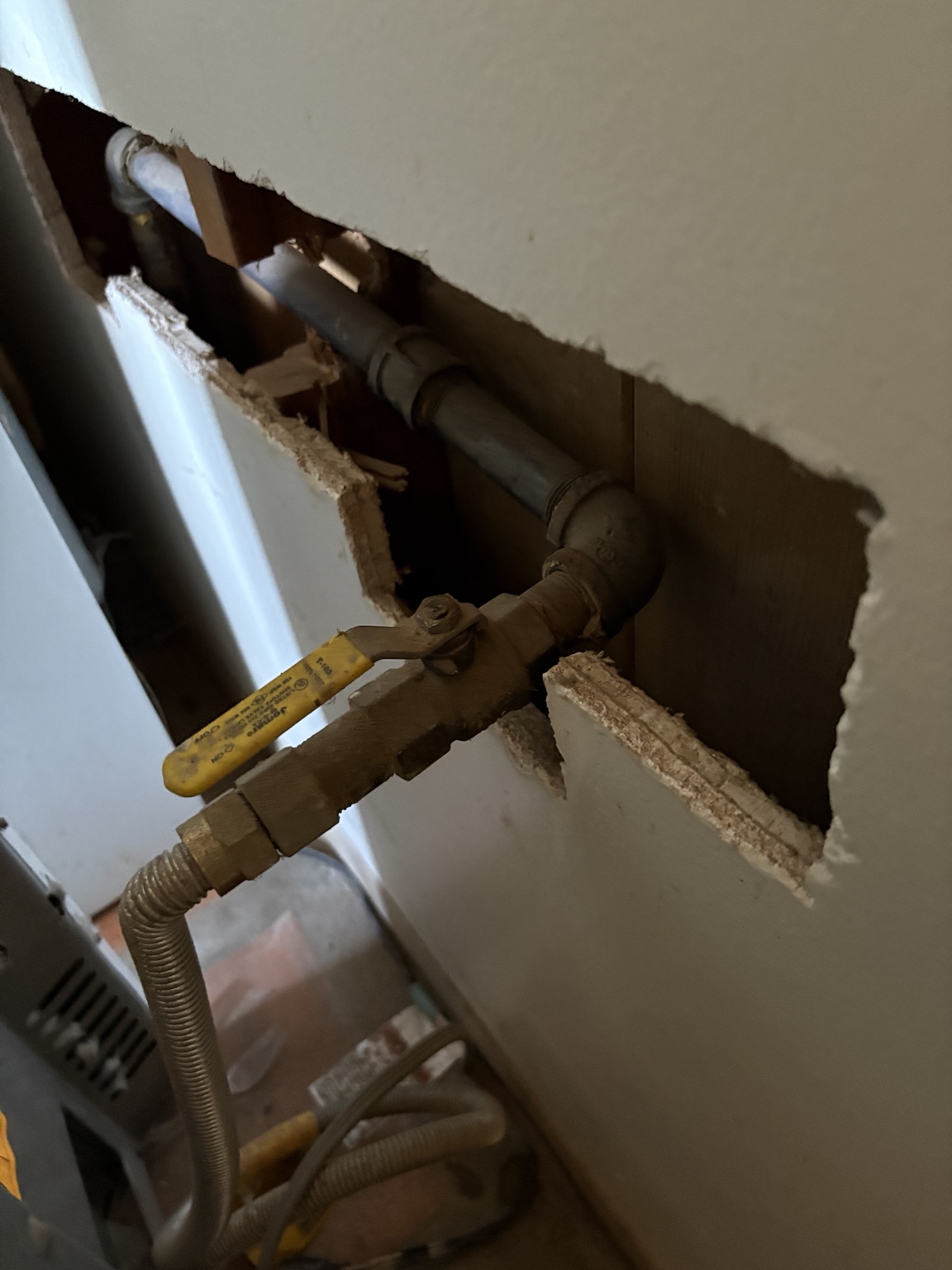
Selective wall, ceiling, cabinet, floor, or soil access may be necessary to confirm and reach the source.
Repair or Replace?
The Smallest Repair Is Not Always the Best Long-Term Choice
A focused repair may be entirely appropriate for isolated damage in otherwise serviceable piping. Broader replacement may make more sense when failures repeat or the surrounding system is deteriorated, inaccessible, improperly sized, or approaching the end of its practical life.
What to Expect
From Symptoms to an Authorized Repair
Describe the Evidence
Share where water appears, when it occurs, meter behavior, recent work, and available photos.
Investigate Accessible Systems
Review plumbing, fixtures, pressure, shutoffs, equipment, and conditions related to the symptoms.
Narrow or Confirm the Source
Use appropriate observations, isolation, testing, and access within the authorized diagnostic scope.
Discuss Repair Options
Explain the known condition, uncertainties, access needs, repair choices, and work by others.
Leak Questions
Helpful Information Before Scheduling
Can you guarantee the exact location without opening anything?
No diagnostic method can guarantee that in every building. Concealed routes, materials, depth, noise, moisture migration, multiple leaks, and non-plumbing sources can affect the investigation.
Does a high water bill always mean a plumbing leak?
No. Irrigation, pools, fixtures, appliances, occupancy changes, meter periods, and utility adjustments can also affect usage. Plumbing isolation can help evaluate possibilities.
Do you repair walls, flooring, or cabinets afterward?
Plumbing access and finish restoration responsibilities depend on the proposal. Unless specifically included, drywall, paint, flooring, cabinetry, tile, concrete finish, and remediation may require other trades.
Do you provide 24/7 leak response?
Not currently. Requests received after 6 PM are reviewed the next business day. Active flooding or unsafe electrical conditions require immediate protective action.
Start With the Evidence
Tell Us What You Are Seeing
Share the property location, symptoms, timing, meter activity, visible damage, affected fixtures, and available photos. Oasis will help identify the appropriate starting point.